
Lemon Pound Cake: A Bright, Buttery Dessert Guide


Lemon pound cake is a classic dessert for anyone who enjoys a soft, buttery cake with a refreshing citrus flavor. It has a tender crumb, a golden exterior, and just enough lemon to make every bite taste fresh without becoming overly tart.
Whether you are baking for a family gathering, afternoon tea, a birthday, or simply want something sweet with your coffee, lemon pound cake is an easy choice. Its simple ingredients also make it approachable for home bakers.
In this guide, you will learn what makes a great lemon pound cake, which ingredients matter most, how to prepare it, common baking mistakes to avoid, and how to store and serve it.
What Is Lemon Pound Cake?
Lemon pound cake is a rich, dense-style cake flavored with fresh lemon juice and lemon zest. Traditional pound cake gets its name from an old-fashioned formula that used roughly equal amounts of flour, butter, sugar, and eggs.
Modern recipes often adjust those proportions to create a lighter and more tender texture. Lemon adds a bright flavor that balances the richness of the butter and sugar.
A finished cake should be moist without feeling heavy. The outside usually develops a lightly golden crust, while the inside remains soft and flavorful.
Why Lemon Pound Cake Is So Popular
There are several reasons this dessert remains a favorite among home bakers.
First, lemon provides a natural freshness that works well with a buttery cake. Unlike desserts that rely heavily on chocolate or rich frosting, a citrus cake can feel relatively light while still being satisfying.
Second, the cake is versatile. You can serve it plain, dust it with powdered sugar, or add a simple lemon glaze.
It also keeps well when stored correctly, making it useful when you want to prepare dessert ahead of time.
Key Ingredients for Lemon Pound Cake
The ingredients are straightforward, but each one contributes to the final texture and flavor.
| Ingredient | Main Purpose |
|---|---|
| All-purpose flour | Provides structure |
| Butter | Adds richness and moisture |
| Sugar | Adds sweetness and helps create a tender texture |
| Eggs | Provide structure and richness |
| Fresh lemons | Add citrus flavor and acidity |
| Milk or buttermilk | Helps create a moist crumb |
| Baking powder | Helps the cake rise |
| Salt | Balances the sweetness |
| Vanilla extract | Adds extra depth of flavor |
Fresh lemons are especially important. Lemon zest contains flavorful oils that can give the cake a stronger citrus aroma than juice alone.
How to Make Lemon Pound Cake
Making this cake does not require complicated techniques. The key is to follow the mixing and baking steps carefully.
1. Prepare the Ingredients
Start by bringing ingredients such as butter and eggs to the appropriate temperature. Room-temperature ingredients generally combine more smoothly.
Wash the lemons thoroughly before zesting them. When zesting, remove only the colorful outer layer and avoid taking too much of the white pith underneath, which can taste bitter.
Prepare your loaf or tube pan by greasing it thoroughly. You can also use parchment paper where appropriate to make removing the cake easier.
2. Cream the Butter and Sugar
Beat the butter and sugar together until the mixture becomes lighter and fluffy.
This step is important because incorporating air into the butter helps contribute to the cake’s texture.
Avoid rushing through this stage. However, there is also no need to beat the mixture excessively once it has reached the desired consistency.
3. Add the Eggs
Add the eggs gradually, mixing well after each addition.
If the mixture looks slightly uneven, do not panic. Adding eggs one at a time helps the ingredients emulsify more effectively.
Scrape the sides of the bowl occasionally so everything mixes evenly.
4. Add Lemon Flavor
Now add the fresh lemon zest and lemon juice.
The amount of lemon can be adjusted depending on how strong you want the citrus flavor to be. Using both zest and juice gives the cake a more complete lemon profile.
Vanilla extract can also complement the citrus flavor.
5. Add the Dry Ingredients
Whisk together the flour, baking powder, and salt separately.
Add the dry mixture gradually to the wet ingredients, alternating with milk or another liquid specified by your recipe.
Mix only until the ingredients are combined. Overmixing can develop too much gluten and leave the cake tougher than desired.
6. Bake the Cake
Transfer the batter to the prepared pan and smooth the surface.
Place it in a properly preheated oven. Baking time depends on the size and type of pan, so begin checking toward the end of the expected baking period.
A toothpick inserted into the center should come out clean or with a few moist crumbs when the cake is ready.
Allow the cake to cool before removing it from the pan. This helps it maintain its shape.
How to Get a Moist Lemon Pound Cake
A moist texture depends on more than simply adding extra liquid.
Here are some useful tips:
- Measure flour accurately rather than packing it tightly into a measuring cup.
- Avoid overmixing the batter after adding flour.
- Use fresh ingredients.
- Do not overbake the cake.
- Let the cake cool properly before slicing.
- Store leftovers in an airtight container.
Some recipes also use sour cream, yogurt, or buttermilk to add moisture and tenderness.
However, adding more liquid does not automatically produce a better cake. The ingredients need to remain balanced so the cake can hold its structure.
Common Mistakes to Avoid
Even a simple pound cake can go wrong if a few basic steps are overlooked.
Using Too Much Flour
Excess flour can make the cake dry and dense. Accurate measurement is therefore important.
If possible, weighing flour with a kitchen scale provides greater consistency.
Overmixing the Batter
Once flour has been incorporated, mix only as much as necessary.
Overmixing can make the finished cake less tender.
Skipping the Lemon Zest
Lemon juice provides acidity and flavor, but zest contributes concentrated citrus oils.
For a noticeably lemony cake, using both is often helpful.
Opening the Oven Too Early
Opening the oven repeatedly during baking can affect the temperature and may interfere with the cake’s rise.
Try to keep the oven door closed until the cake has had enough time to set.
Cutting the Cake Too Soon
Freshly baked cake continues to settle as it cools.
Letting it cool properly can make slicing easier and help prevent crumbling.
Easy Ways to Add More Lemon Flavor
If you love a stronger citrus taste, there are several simple options.
A lemon glaze is one of the easiest. Combine powdered sugar with enough lemon juice to create a pourable consistency, then drizzle it over the cooled cake.
You can also add extra lemon zest to the batter or sprinkle finely grated zest over the glaze.
Another option is to serve each slice with a small amount of lemon curd. This creates a more pronounced citrus flavor without changing the cake batter itself.
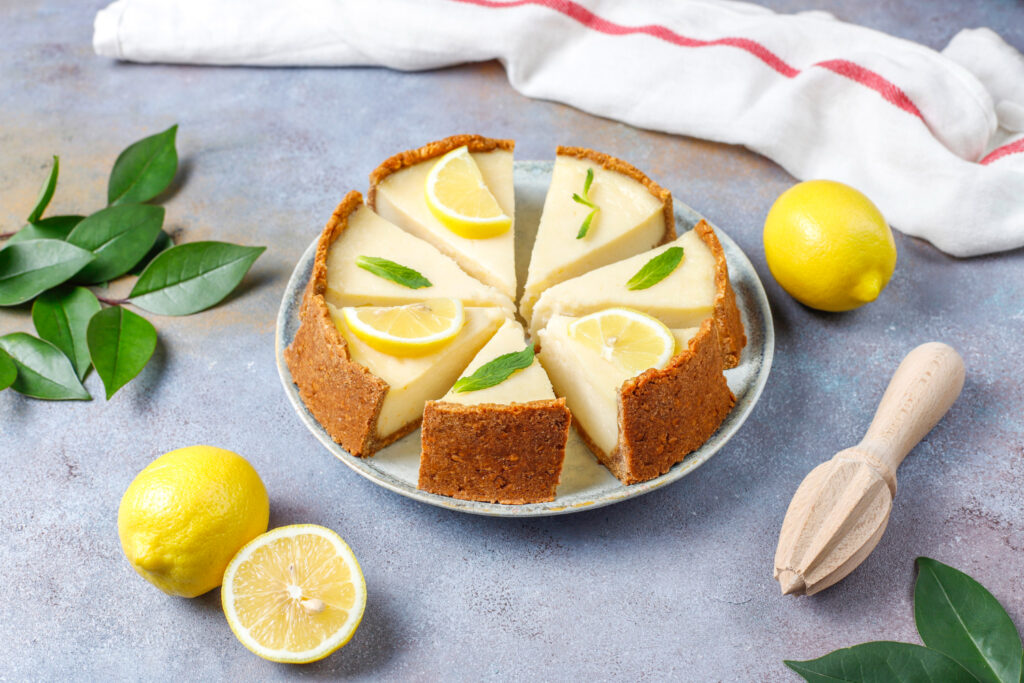
Lemon Pound Cake Serving Ideas
This cake is delicious on its own, but there are plenty of ways to serve it.
Try pairing a slice with:
- Fresh berries
- Whipped cream
- Vanilla ice cream
- Lemon curd
- Powdered sugar
- Fresh mint
- A light lemon glaze
For an afternoon dessert, a simple slice with tea or coffee can be enough.
For a special occasion, you can decorate the cake with thin lemon slices, berries, or a simple glaze.
How to Store Lemon Pound Cake
Proper storage helps preserve the cake’s moisture.
Once completely cooled, place the cake in an airtight container or wrap it securely. Keep it at room temperature if you plan to eat it within a few days and the recipe does not contain ingredients requiring refrigeration.
For longer storage, freezing can be a practical option.
Wrap individual slices or the whole cake tightly in freezer-safe wrapping and place it in a suitable freezer container. Allow frozen cake to thaw before serving.
If you add a glaze, consider whether it is better to glaze the cake after thawing. This can help maintain a fresher appearance.
Can You Freeze Lemon Pound Cake?
Yes, lemon pound cake generally freezes well when wrapped properly.
For best results, allow the cake to cool completely before freezing. Wrap it tightly to reduce exposure to air and prevent freezer burn.
Individual slices can be convenient because you can thaw only what you need.
If you plan to freeze the cake for an extended period, label the package with the date so you can keep track of storage time.
Frequently Asked Questions
Is lemon pound cake supposed to be dense?
Pound cake is typically denser than a light sponge cake, but it should not feel dry or excessively heavy. A good lemon pound cake has a rich yet tender crumb.
Can I use bottled lemon juice?
Fresh lemon juice is generally preferable because it provides a brighter flavor. Fresh zest is particularly valuable because it contains concentrated citrus oils.
Why did my lemon pound cake turn out dry?
Overbaking, too much flour, or incorrect ingredient measurements can contribute to dryness. Measuring carefully and checking the cake toward the end of its baking time can help.
Can I add a lemon glaze?
Yes. A simple glaze made from powdered sugar and lemon juice is a popular way to add sweetness and extra citrus flavor.
How long does lemon pound cake last?
Storage time depends on the recipe and storage conditions. When kept properly in an airtight container, it can stay enjoyable for several days. Cakes containing perishable toppings or fillings may require refrigeration.
Can I make lemon pound cake ahead of time?
Yes. Pound cake is well suited to advance preparation. You can bake it ahead, cool it completely, and store it properly until you are ready to serve it.
Final Thoughts
Lemon pound cake combines the richness of traditional pound cake with the bright flavor of fresh citrus. Its simple ingredients and flexible serving options make it a useful recipe for both everyday baking and special occasions.
For the best results, focus on accurate measurements, fresh lemon zest and juice, proper mixing, and careful baking. Once the cake has cooled, you can keep it simple or finish it with a lemon glaze, berries, powdered sugar, or your favorite topping.
Whether you are an experienced baker or trying pound cake for the first time, this classic lemon dessert offers a reliable way to bring a fresh citrus flavor to the table.
Also Read: PressVibePulse Com: What It Is, Topics, Features, and What Readers Should Know