
Dolphin Radar: What It Is, How It Works, and Why It Matters

Radar technology has transformed the way humans monitor oceans, track objects, and improve maritime safety. Among the many radar systems available today, Dolphin Radar has attracted attention because of its ability to deliver accurate detection, monitoring, and situational awareness in marine environments.
Whether you’re researching radar technology, maritime surveillance, or simply wondering what is, this guide explains everything in simple terms. We’ll cover how works, its major features, practical applications, benefits, limitations, and frequently asked questions.
What Is Dolphin Radar?
Dolphin Radar refers to a radar-based detection and monitoring system designed for tracking objects and improving awareness in marine or coastal environments. Depending on its implementation, it may be used for navigation, surveillance, environmental monitoring, vessel tracking, or research.
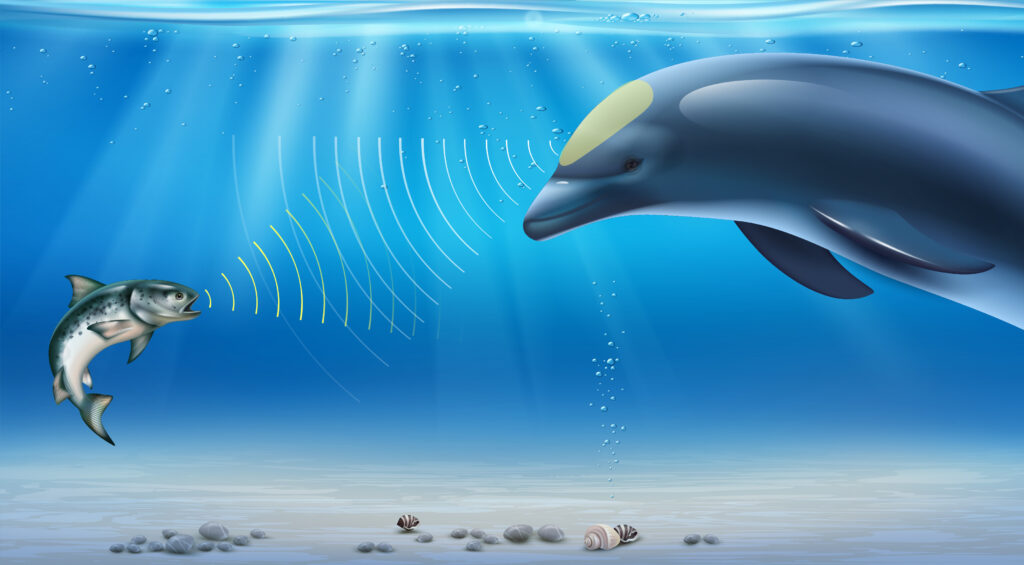
Modern radar systems send out radio waves that bounce off nearby objects. After receiving the reflected signals, the radar calculates the object’s distance, direction, speed, and sometimes its size.
Unlike traditional visual observation, radar continues working in darkness, fog, rain, and other low-visibility conditions.
How Does Dolphin Radar Work?
The basic operating principle ofis similar to other radar technologies.
The process includes the following steps:
- A radar antenna emits radio-frequency signals.
- These signals travel through the air until they hit an object.
- The signals bounce back toward the radar receiver.
- The system analyzes the returned signals.
- Software displays the object’s position, movement, and other useful information.
Modern systems often combine radar data with GPS, digital mapping, and artificial intelligence to improve detection accuracy.
Key Features of Dolphin Radar
Dolphin Radar systems are designed to deliver reliable monitoring across different environments.
Some of the most valuable features include:
- High-accuracy object detection
- Real-time monitoring
- Long-range scanning capabilities
- Reliable operation in poor weather
- Fast target tracking
- Digital mapping integration
- Low-light and nighttime operation
- Automated alerts for unusual movement
- Data recording for later analysis
- Support for multiple target tracking
These features make radar technology useful for both commercial and research applications.
Dolphin Radar Features at a Glance
| Feature | Description | Benefit |
|---|---|---|
| Real-Time Detection | Continuously monitors surroundings | Faster decision-making |
| Long-Range Coverage | Detects objects from significant distances | Better awareness |
| Weather Resistance | Operates during fog, rain, and darkness | Improved reliability |
| Multi-Target Tracking | Follows several objects simultaneously | Greater efficiency |
| Digital Integration | Works with GPS and navigation software | Easier monitoring |
| Automatic Alerts | Warns users of potential hazards | Increased safety |
Common Uses of Dolphin Radar
Dolphin Radar technology supports a wide range of industries and activities.
Maritime Navigation
Ships use radar to identify nearby vessels, coastlines, and obstacles. This helps reduce collision risks and improves navigation during poor visibility.
Coastal Surveillance
Government agencies and coastal authorities use radar to monitor shoreline activity and maintain maritime security.
Marine Research
Researchers rely on radar technology to study ocean movement, vessel traffic, and environmental conditions.
Search and Rescue Operations
Radar helps emergency teams locate boats and identify movement even when visibility is extremely limited.
Port Management
Busy ports use radar to organize vessel traffic and improve operational efficiency.
Environmental Monitoring
Radar systems can assist in observing ocean conditions and collecting data for scientific studies.
Benefits of Dolphin Radar
There are several reasons why radar remains an essential technology in marine operations.
Improved Safety
Radar provides early detection of nearby vessels and obstacles, reducing the likelihood of accidents.
Reliable Performance
Unlike visual observation, radar continues working during:
- Heavy rain
- Dense fog
- Nighttime
- Cloudy conditions
Better Situational Awareness
Operators receive continuous updates about surrounding movement, making navigation safer and more efficient.
Increased Efficiency
Automatic tracking reduces manual observation and allows crews to focus on other important tasks.
Accurate Object Detection
Modern radar systems can identify moving and stationary targets with impressive precision.
Industries That Benefit from Dolphin Radar
Many industries depend on radar technology every day.
These include:
- Commercial shipping
- Fishing operations
- Coast guard services
- Naval defense
- Marine research organizations
- Offshore energy companies
- Port authorities
- Environmental agencies
As radar technology continues to improve, even more industries are adopting advanced monitoring systems.
Advantages and Limitations
Like every technology has both strengths and weaknesses.
Advantages
- Works day and night
- Performs well in bad weather
- Detects distant objects
- Improves navigation safety
- Tracks multiple targets
- Supports automated monitoring
- Integrates with modern navigation tools
Limitations
- Performance depends on proper installation.
- Large structures may occasionally create signal reflections.
- Routine maintenance is necessary for optimal accuracy.
- Smaller objects may be harder to detect at very long distances.
- Advanced systems can be expensive.
Despite these limitations, radar remains one of the most dependable marine monitoring technologies available.
How Dolphin Radar Compares with Traditional Observation
Visual observation alone has several limitations.
Radar offers significant improvements in many situations.
| Traditional Observation | Dolphin Radar |
| Limited at night | Works 24/7 |
| Affected by fog | Performs well in poor visibility |
| Human error possible | Automated detection |
| Limited detection range | Long-range monitoring |
| Difficult during storms | Better operational reliability |
This comparison explains why radar has become an essential part of modern maritime operations.
Tips for Using Dolphin Radar Effectively
To achieve the best performance:
- Keep the radar antenna clean.
- Perform regular maintenance.
- Update software when available.
- Train operators properly.
- Integrate radar with GPS and navigation systems.
- Monitor alerts continuously.
- Check calibration periodically.
Following these practices helps maintain consistent performance and reliable detection.
Future of Dolphin Radar Technology
Radar technology continues to evolve rapidly.
Future improvements may include:
- AI-powered target recognition
- Smarter collision prediction
- Improved object classification
- Higher-resolution radar imaging
- Better energy efficiency
- Cloud-based monitoring systems
- Enhanced automation
These innovations will likely make marine operations safer, faster, and more efficient in the coming years.
Frequently Asked Questions
What is Dolphin Radar used for?
Dolphin Radar is primarily used for detecting, tracking, and monitoring objects in marine environments. It supports navigation, surveillance, research, and maritime safety.
Can Dolphin Radar work at night?
Yes. Radar operates independently of visible light, making it highly effective during nighttime and low-visibility conditions.
Is Dolphin Radar affected by weather?
Although extreme weather can slightly reduce performance, radar generally works much better than visual observation during rain, fog, and cloudy conditions.
Who uses Dolphin Radar?
Common users include shipping companies, coast guards, research organizations, port authorities, offshore industries, and marine safety agencies.
Does Dolphin Radar replace human observation?
No. Radar is designed to complement human observation by providing additional situational awareness and improving overall safety.
Final Thoughts
Dolphin Radar represents an important advancement in marine detection and monitoring technology. By providing reliable, real-time information in conditions where human vision is limited, it enhances navigation, safety, surveillance, and operational efficiency.
As radar systems continue to integrate with artificial intelligence, GPS, and advanced analytics, their capabilities will only improve. Whether used for commercial shipping, coastal monitoring, marine research, or search and rescue, remains a valuable tool for anyone working on or around the water.
Understanding how works and where it can be applied helps users appreciate its role in modern maritime operations and the future of intelligent navigation.
Also Read: Yeshiva World News: Complete Guide to the Popular Jewish News Platform